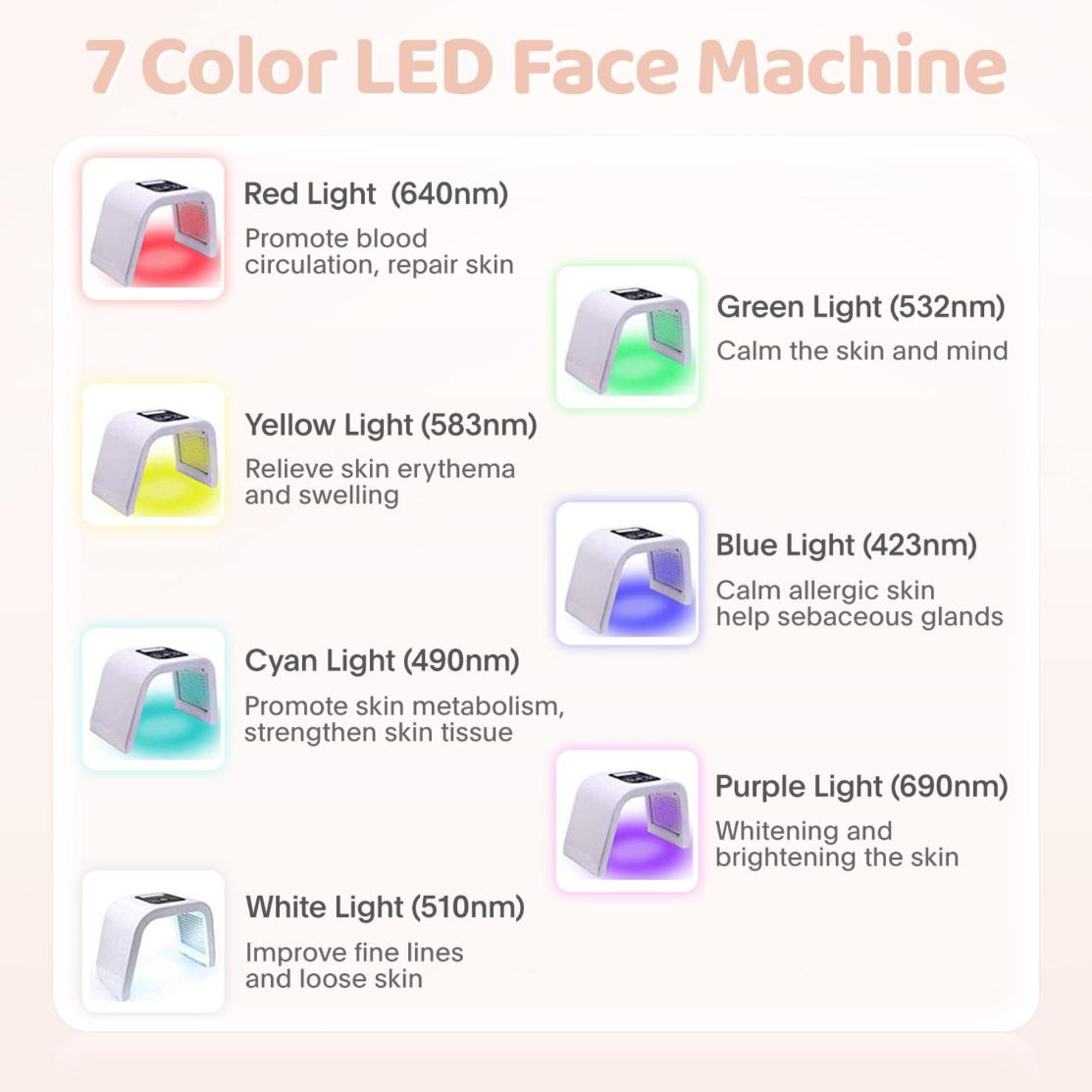
LED Light Therapy
What is LED Light Therapy? LED Light Therapy is a noninvasive service that uses different wavelengths of light to trigger the skin’s natural healing processes. LED stands for light-emitting diode. NASA originally developed and used LED Light Therapy to enhance plant tissue growth in space, since the lack of gravity keeps cells from growing naturally. The plants responded very well, and, coincidentally, astronauts' bone loss, muscle atrophy, and wounds (all effects of zero gravity) also decreased when they were exposed to LED light.
Physicians, NASA, and U.S. Military Special Ops communities have used LED light therapy for muscle regeneration and wound healing for quite a while. One study showed that the Navy SEALs’ program found the return-to-service rate was 41% faster when using LEDs. Different LED wavelengths, including blue and red, penetrate the skin at different depths. This penetration may trigger biological processes that help the skin rejuvenate and heal.
What are the uses and benefits of LED Light Therapy? LED Light Therapy has many uses; below is a list of the most common.
- Acne
- Dermatitis
- Dull skin
- Eczema
- Psoriasis
- Rosacea
- Scarring
- Signs of Aging, including Wrinkles and Age Spots
- Sun Damage
- Wound Healing
- Other inflammatory skin conditions
One advantage of LED light therapy is its safety. It does not contain UV rays, which can harm the skin. Therefore, LED therapy is suitable for regular use. Unlike chemical peels or laser therapy, LED light therapy does not cause burns. The treatment is also safe for all skin types.
According to the American Academy of Dermatology, most people with acne will see improvement in their symptoms with LED light therapy, but they should not expect all acne to clear.
What are the contraindications? What would prevent someone from receiving LED Light Therapy? Although it is impossible to list every potential risk and complication, the following conditions are recognized as contraindications, meaning that it would not be safe for you to receive this service.
- People on Photosensitizing Medications: Medications like tetracycline antibiotics, doxycycline, retinoids, or certain antipsychotics make your skin and eyes extra sensitive to light, which can lead to burns or severe irritation.
- Individuals with Active Cancer or Skin Lesions: You should never apply light therapy directly over active tumors or suspicious, undiagnosed skin lesions without direct guidance from an oncologist
- Those with Photosensitive Conditions: Conditions like systemic lupus erythematosus (lupus) or porphyria can flare up or cause adverse skin reactions when exposed to light treatments.
- People with Eye Diseases or Retinal Conditions: Bright LED lights—especially blue wavelengths—can strain or damage unprotected eyes, meaning those with preexisting eye issues or retinal diseases need specialized eye protection or must avoid the treatment.
- Individuals with Epilepsy: Flashing or pulsing light devices can trigger seizures in people with photosensitive epilepsy unless using certified flicker-free equipment cleared by a neurologist.
- Pregnant Women: Because long-term safety data on specific light wavelengths over certain areas of the body is limited, pregnant individuals should check with their healthcare provider first.
- People with Active Infections or Open Wounds: Applying light therapy over broken skin, fresh rashes, or active infections can increase inflammation or delay healing
What should you expect during your treatment? Your aesthetician will perform a thorough skin analysis before your first LED Light Therapy service and discuss any concerns you have. Based on that, your aesthetician will select the LED light(s) most effective for addressing those concerns.
Is satisfaction guaranteed? You may need several treatment sessions before you notice an improvement in your skin's appearance. People usually see the best results after receiving a few regularly scheduled treatments. You may also need follow-up sessions to maintain these results.
What should I expect after the procedure? In general, LED light therapy is safe. The procedure is noninvasive and does not cause burning or pain.
As always, if you have any questions or concerns, please do not hesitate to reach out!